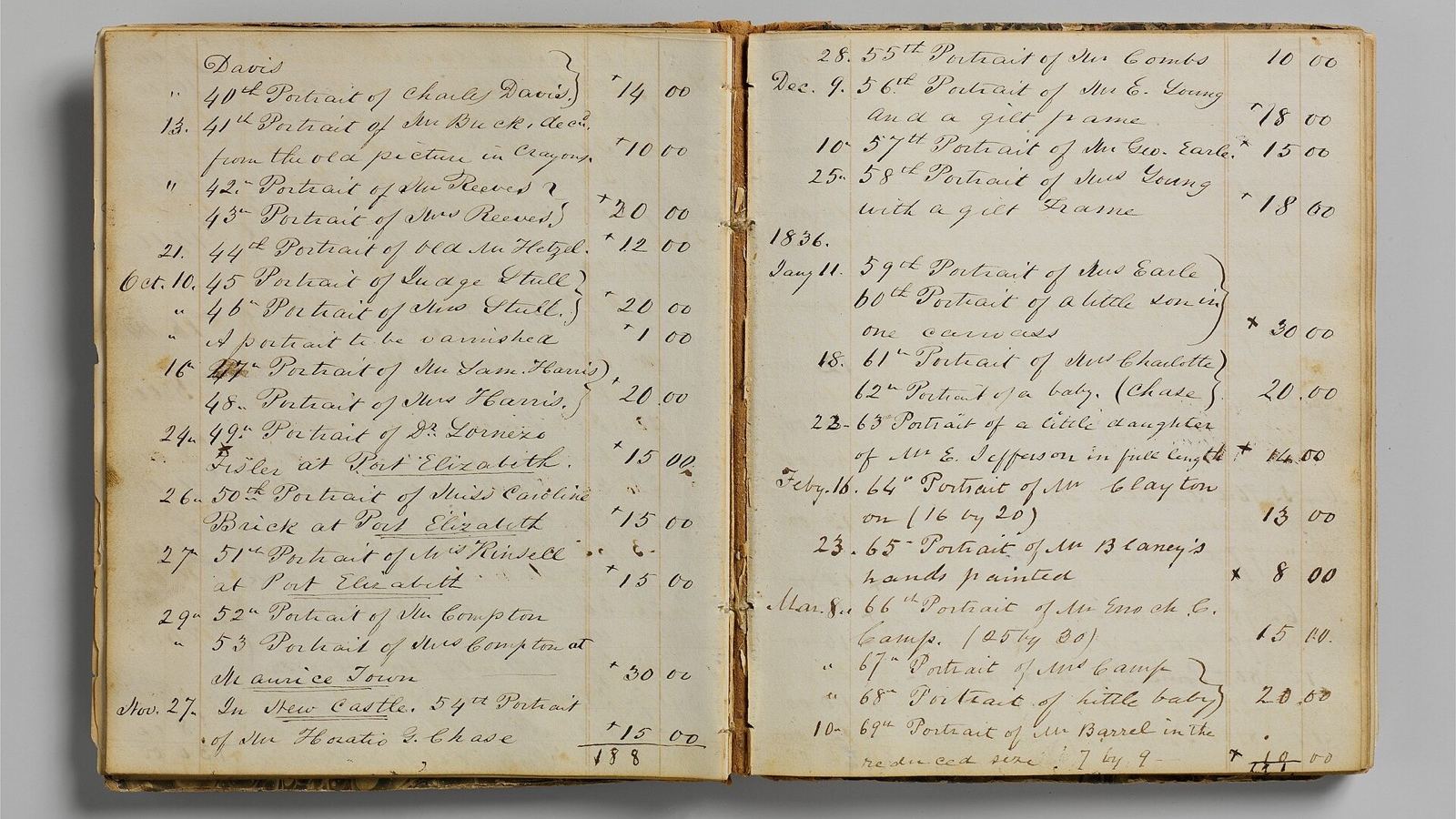

Short answer: Catch-up bookkeeping in Los Angeles enters and reconciles the months nobody recorded, using your bank, card, loan and sales statements. Work usually starts the day after the last period your CPA filed, then moves month by month, reconciling each account before the next. Questions come in one list, and you get reports for every caught-up month.
How owners fall behind
It is almost never laziness. A busy season runs into a slow one. The person who did the books leaves. A new bank account gets opened and never connected. Then the gap is big enough that starting feels worse than waiting.
The good news is that bank and card statements already hold most of what is needed. Catch-up turns those statements into books.
What we need to catch you up
- Bank and card statements for every month you are behind, for every account
- Loan statements, including any SBA or equipment loans
- Sales reports from payment processors and platforms
- Payroll reports, if you run payroll
- The last tax return your CPA filed, as the starting point
Missing a few statements is normal. Most banks let you download past statements from online banking. The team will tell you exactly which ones are still needed.
How catch-up works
- Set the start date Normally the day after the last period your CPA filed. Earlier months are left alone.
- Load the history Statements are imported or bank feeds connected back as far as they reach.
- Categorize in batches Repeat vendors and customers get rules first, so most lines code themselves. The rest are worked one by one.
- Reconcile each month Month by month, every account is matched to its statement before moving on.
- Ask once Questions you can answer are collected into one list, not sent one at a time.
- Close and report The caught-up months are closed, and you get reports for each one.
Catch-up before tax season
The most common reason owners call in the fall is the next tax deadline. A full year of catch-up is a real project, and it competes with every other business doing the same thing in January and February. Starting early gives the team room to ask for missing items without rushing your CPA.
If an extension is already likely, catch-up still matters. Your CPA can only file once the books are done.
How long it takes and what speeds it up
The timeline depends on three things: how many accounts are involved, how many transactions run through them, and how quickly the statements and answers come in. A single checking account and one card with modest volume is a very different job from five accounts and two payment processors.
The fastest catch-ups have one thing in common. The owner downloads every statement at the start and answers the question list in one sitting. The slowest ones wait weeks for one missing card statement. You will get a list of exactly what is needed on day one, so you can clear it in a single afternoon.
What happens after
Once you are current, you can keep going with monthly bookkeeping or take the file back. Either way, you start the new year from a clean, reconciled balance, which is the hardest part of catching up and the part that never needs doing twice.
Where we work
We keep books for businesses across the City of Los Angeles, the Westside, the Eastside, the San Fernando Valley, the San Gabriel Valley, the Gateway Cities and the South Bay.
- Alhambra
- Arcadia
- City of Industry
- Commerce
- Diamond Bar
- Downey
- Downtown Los Angeles
- East Los Angeles
- El Monte
- Koreatown
- Lincoln Heights
- North Hollywood
- Pasadena
- Pomona
- San Fernando Valley
- Santa Fe Springs
- Santa Monica
- Sherman Oaks
- South Bay
- Van Nuys
- Vernon
- West Covina
- West Los Angeles
- Whittier
- Woodland Hills
Questions
How far back can you go?
As far back as you need, as long as the statements exist. Most catch-ups cover the months since the last filed tax return.
I lost receipts. Is that a problem?
Statements are enough to build the books. Receipts matter mainly for larger purchases and for meals or travel. The team will tell you which ones are worth hunting for.
Do I have to be on QuickBooks?
The books are kept in QuickBooks, Xero and more. If you have no file at all, one is set up as part of the catch-up.
Is catch-up the same as cleanup?
Catch-up fills in months nobody entered. Cleanup fixes months that were entered wrong. Many files need some of both, and the first review will say which.