

Short answer: Bookkeeping by industry means setting up the ledger around how a business earns and spends: job costs for contractors, payouts for online sellers, deposits for restaurants. Each page below covers one industry.
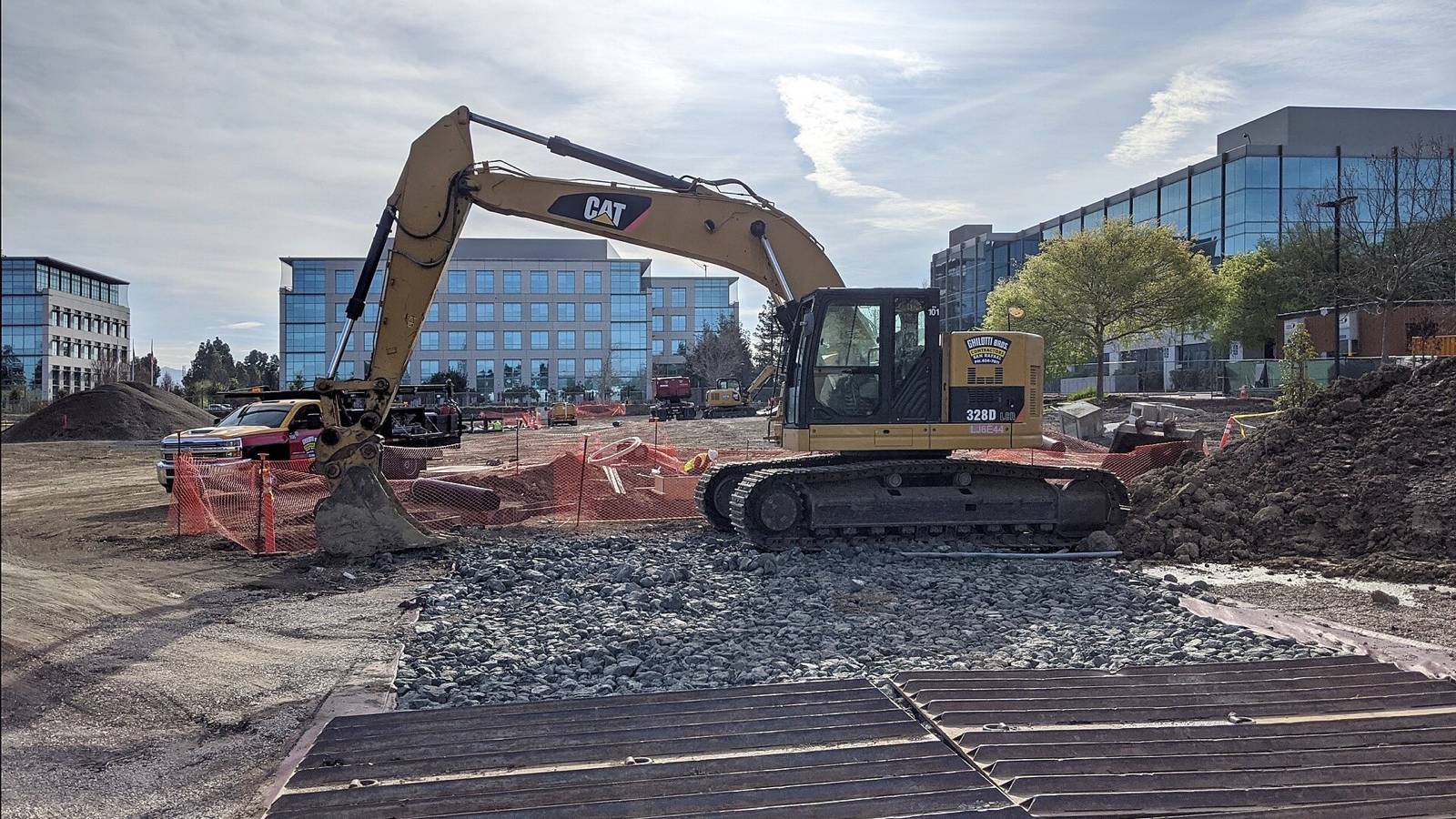 ConstructionKnow what each job made, what you are owed in retention, and which subs need a 1099.
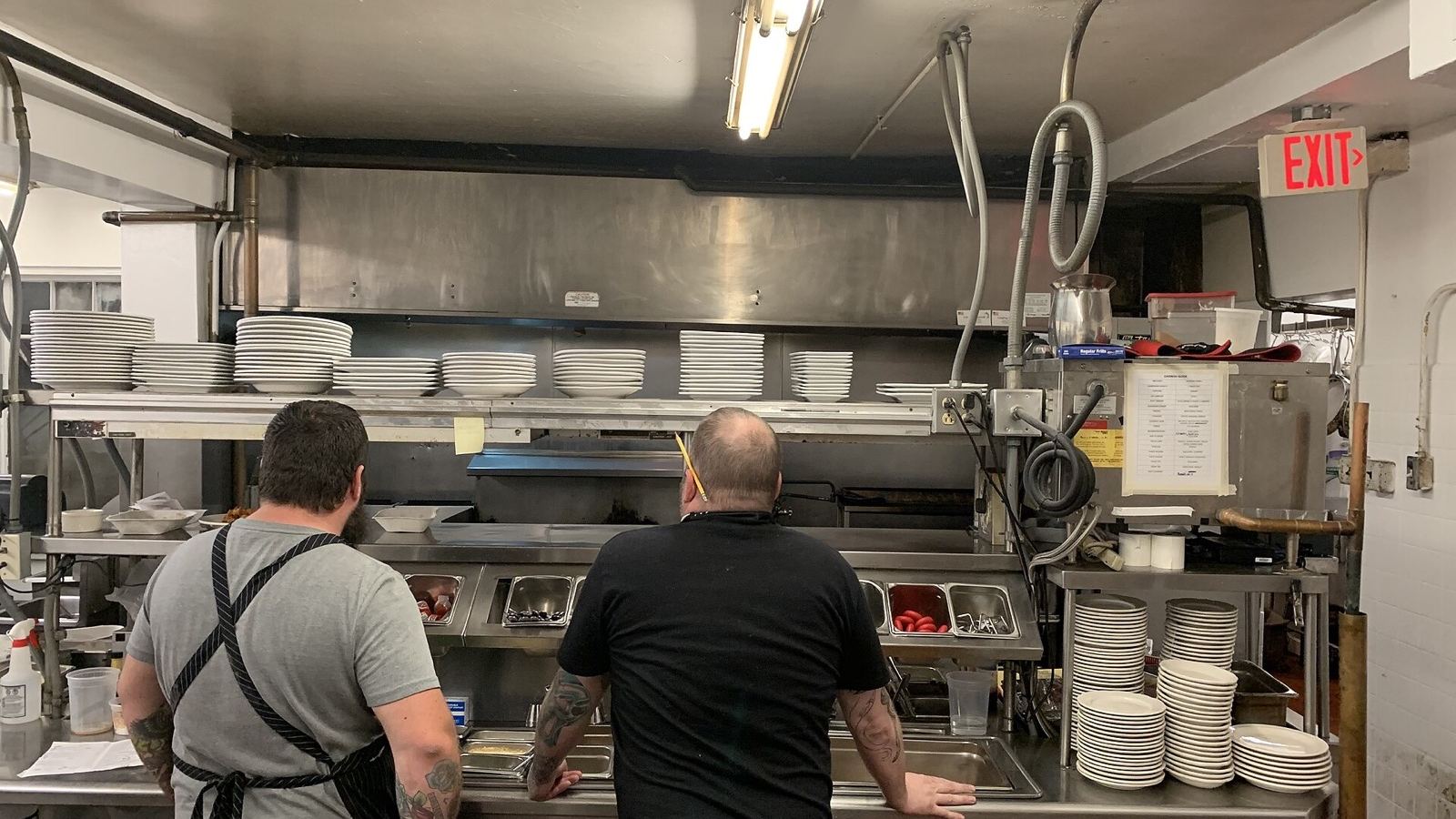 RestaurantMatch every POS deposit and delivery payout, and see food and labor cost before the month is gone.
 AgencySee margin by client, and keep your clients' ad spend out of your revenue.
 EcommerceTurn platform payouts back into real sales, fees and margin for every channel you sell on.
 Entertainment productionKeep each project's costs apart, and keep your company's books clean between productions.
 Import exportSee what a container really cost once duty, freight and broker fees land in inventory.
 Medical practiceMatch insurance and patient payments to the bank, and see what the practice really earns each month.
 Real estateBooks that show each property or each deal on its own, with deposits and repairs in the right place.
 Warehouse logisticsFind out what each client, each pallet and each order really costs your operation.
Industries we write about
A restaurant's books break at the POS deposit. A contractor's break at job costing. An online brand's break at the payout report. Each page below covers the records that matter most in that industry, the Los Angeles rules that touch them, and how a monthly close runs.
- Construction and trades: job costing, retention and subcontractor 1099s.
- Restaurants: POS and delivery payouts, tips, food cost and sales tax.
- Real estate: books by property, deposits, and repairs kept apart from improvements.
- Ecommerce: platform payouts, inventory and cost of goods.
- Entertainment and production: project costs, payroll company invoices and loan-outs.
- Agencies: margin by client and pass-through spend.
- Medical and dental practices: insurance and patient deposits.
What to ask any bookkeeper about your industry
A good answer names the account, the report and the month. A vague answer is a sign the bookkeeper will learn your industry on your file.
- Which report would you send me each month, and why that one for my kind of business?
- How do you record the deposits that are not a single sale: POS batches, platform payouts, insurance payments?
- Where do my industry's pass-through costs go, so they do not inflate revenue?
- Which 1099s or local filings does my industry usually trigger?
Not on the list?
Most small businesses fit one of these patterns. Tell us what you do and a bookkeeper will say whether it is a fit.
Questions
Do you only work with these industries?
No. These are the ones we see most in Los Angeles. Other small businesses are welcome to ask.
Which software do you use?
QuickBooks, Xero and more, including QuickBooks Desktop.