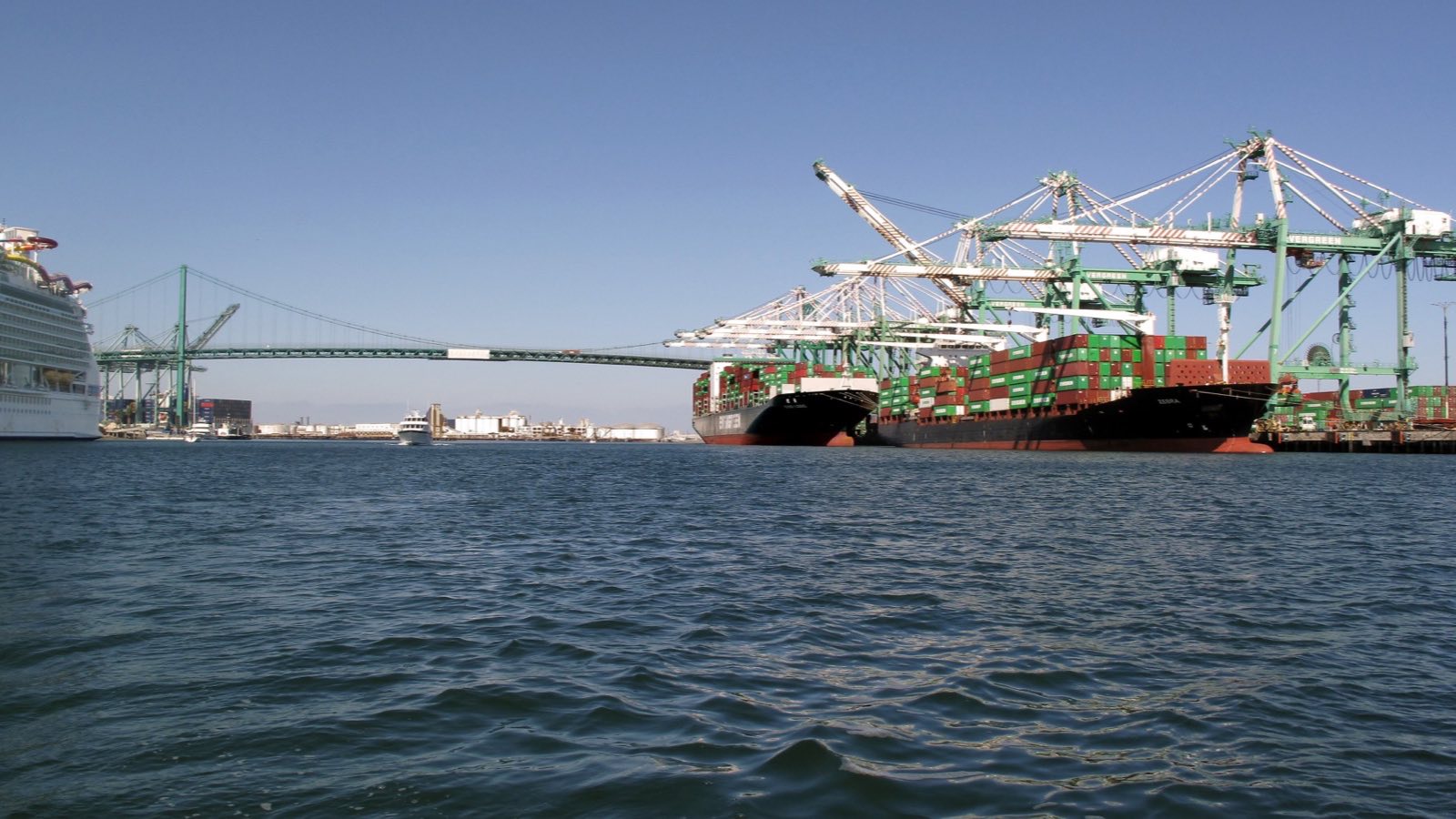

Short answer: Import and export bookkeeping in Los Angeles adds duty, ocean freight, drayage and customs broker fees to the cost of each shipment, so inventory and margin are real. Deposits to overseas suppliers sit on the balance sheet until goods arrive. Foreign currency bills, letters of credit and resale certificates are tracked, and CBP entry papers are filed with the matching bills.
Why trade books drift away from reality
A wholesale distributor in City of Industry, Commerce or Vernon pays for goods long before it sells them. You wire a 30 percent deposit to a factory overseas, pay the balance when the goods ship, then pay the ocean carrier, the customs broker, the trucker who pulls the box from the port and, often, a warehouse. Each payment hits the bank on a different day and from a different vendor.
If those charges are booked as ordinary expenses, the month the container arrives looks like a disaster and the months you sell the goods look like a windfall. Gross margin swings for reasons that have nothing to do with how the business is doing. The fix is to collect every cost of getting a shipment to your door and attach it to the goods.
What goes into landed cost
Landed cost is the full price of the goods once they reach your floor. The IRS says the cost of merchandise you buy is the invoice price less discounts, plus transportation and other charges to acquire it. Your CPA decides the final method, and we keep each piece on its own line so that decision is easy to apply.
| Cost piece | Where it comes from | How we record it |
|---|---|---|
| Factory invoice | Overseas supplier, often in a foreign currency | Inventory, at the dollar amount on the date of the bill |
| Ocean or air freight | Carrier or freight forwarder | Added to the shipment, not to general shipping expense |
| Duty and tariffs | CBP entry summary prepared by your broker | Added to the shipment, with the entry number in the memo |
| Merchandise processing and harbor maintenance fees | Listed on the entry summary | Added to the shipment with the duty |
| Customs broker and drayage fees | Broker and trucking invoices | Added to the shipment they relate to |
Duty rates, tariff classification and fee amounts are set by CBP and change. Your customs broker handles them. We record what was billed.
Deposits, letters of credit and currency
- Supplier deposits are recorded as prepaid inventory, not as cost of goods, until the goods are received.
- Letters of credit and bank fees for them are tracked against the purchase order they cover.
- Bills in yuan, euros, yen or other currencies are converted at the rate on the bill date, and the difference at payment is posted to a separate gain or loss account.
- Wire fees and bank charges stay out of inventory unless your CPA tells us to include them.
- Each purchase order is matched to its deposit, its final bill and its receiving record, so nothing is paid twice.
Inventory you can trust
Distributors carry a lot of stock, and the number on the balance sheet is often the least reliable figure in the books. We tie the inventory account to your inventory system or your physical counts each month. Units received but not yet billed, bills received before the goods arrive and goods still on the water are tracked so the balance sheet reflects what you actually own.
With landed cost assigned properly, you can see margin by product line or by customer. That matters when a buyer asks for a lower price, or when a new tariff changes what one product family costs to bring in.
Resale certificates and sales tax
Most wholesale sales in California are sales for resale. Under CDTFA rules, when you accept a valid resale certificate from your buyer in good faith and on time, you do not owe sales tax on that sale. A certificate needs the buyer's name and address, their seller's permit number, a description of the goods, a statement that they are for resale, a date and a signature.
We keep a certificate file for each wholesale customer and flag any customer with sales coded as resale but no certificate on file. Sales to end users who owe tax are kept apart, so your sales tax return starts from clean numbers.
Records CBP expects you to keep
CBP says importers generally must keep entry records for five years from the date of entry. Your broker can tell you exactly which papers apply to your entries. We attach the broker's entry papers to the matching bills in QuickBooks, Xero and more, so a question from CBP, your broker or your CPA can be answered from one place.
Exporters keep their own trail: commercial invoices, shipping documents and proof of payment from foreign buyers. Export sales are recorded by customer and by country so you can see where revenue comes from.
How a month runs for a trade business
- Collect the shipment file Supplier bills, broker invoices, entry summaries and freight bills for the month come into one folder per shipment.
- Build landed cost Each shipment's duty, freight and fees are added to the goods. Deposits are cleared against final bills.
- Reconcile and revalue Bank, card and loan accounts are tied to statements. Open foreign currency bills are checked against current rates.
- Share the results Your monthly package covers income and expenses, inventory by product line, payables to suppliers and receivables aging for your buyers.
Import export by city
Where we work
We keep books for businesses across the City of Los Angeles, the Westside, the Eastside, the San Fernando Valley, the San Gabriel Valley, the Gateway Cities and the South Bay.
- Alhambra
- Arcadia
- City of Industry
- Commerce
- Diamond Bar
- Downey
- Downtown Los Angeles
- East Los Angeles
- El Monte
- Koreatown
- Lincoln Heights
- North Hollywood
- Pasadena
- Pomona
- San Fernando Valley
- Santa Fe Springs
- Santa Monica
- Sherman Oaks
- South Bay
- Van Nuys
- Vernon
- West Covina
- West Los Angeles
- Whittier
- Woodland Hills
Questions
Do you file customs entries or classify our products?
No. Entries, tariff codes and duty rates are your customs broker's work. We record the duty and fees they bill and keep the entry papers with the books.
Should duty be an expense or part of inventory?
In general, duty and freight to acquire goods are part of inventory cost. Your CPA confirms the method for your business, and we set up the books so either approach can be applied.
We pay suppliers in Chinese yuan. Can the books handle that?
Yes. QuickBooks Online and Xero both support foreign currency vendors. Bills are recorded at the rate on the bill date, and gains or losses at payment are kept on their own line.
How long should we keep import paperwork?
CBP's general rule is five years from the date of entry, with some exceptions. Check with your customs broker for anything unusual in your entries.
A buyer says they are exempt but never sent a certificate. What now?
Ask for a resale certificate before or at delivery. CDTFA says a certificate accepted late does not relieve you of the tax, so we flag these customers each month.